
002. Rebalancing Your Nervous System in Difficult Times: Bouncing, Vibration and Breathwork for Resilience and Healing
Lisa Gingery Smith | OCT 23, 2023

What we as humans on this planet all have in common is that we all will experience loss and trauma at some point in our lives. The emotions that accompany such losses or traumas can be overwhelming. Recognizing and allowing these emotions is crucial, but what comes next? Truthfully, we can not just "think" our way through.
How do we process these difficult feelings and heal, especially when often they are accompanied by ongoing stress and anxiety? The answer lies in resetting and ReWilding our subconscious and physiological responses to stress and emotions within the Autonomic Nervous System (ANS). To ReWild is to return to the wholeness that already exists within you.
You have likely heard of the Sympathetic (fight, flight, freeze) and Parasympathetic (rest and digest) branches of the ANS. The reset involves changing the frequency and vibration of our nerves and cells through movement, breathwork and vibration or sound.
Let's explore the benefits of these practices and how they can help us recover from emotional and physical trauma while building resilience.
- Awareness: The First Step
Before delving into the techniques that can help rebalance your Autonomic Nervous System, it is essential to understand that awareness is the foundation for resetting and healing.
Recognizing and acknowledging your emotions, even the most challenging ones,
is a whopping 95% of the healing process.
That is good news!
Take time to check in, listen to the messages from your inner self, and truly FEEL what you are experiencing.
Then you are able to address the congested, stagnant, or frenzied energy created in response to your reactions. This energy lives in your body producing issues in your tissues, fascia, nervous system and the organs which can result in restrictions, pain, dysfunction and disease.
2. Quick Guide To Resetting And ReWilding: Emotional And Physical Recovery
Many of us lead busy lives with numerous demands on our time and especially on our energy. With this bite-size practice, you can effectively and almost immediately help your body when you are feeling submerged in difficult emotions.
This quick, simple self-care routine involves four key components: Bounce, Shake, Breathe, and Hum (or listen).
- Bounce: Reconnect With Your Body
Bouncing is a powerful way to reconnect with your body and release built-up tension, toxins and stress hormones in the tissues, organs and cells. Even just a few minutes of light bouncing on a mini trampoline or simply bouncing up and down on the earth can stimulate your Lymphatic System, increase oxygen uptake and boost circulation.
This movement helps discharge stagnant energy and gets your ANS back on track, balancing things out by stimulating the parasympathetic
branch and quieting the Sympathetic response.
- Shake:
Shaking, whether through intentional trembling exercises, dancing, or shaking out limbs is a way to release physical and emotional tension and acts as a biological cue to the Limbic System in the brain that danger has passed.
It too stimulates the Parasympathetic Nervous System to calm our brain and body in order to be able to reach recovery more readily.
- Breathe:
Conscious, intentional breathwork is a powerful tool for calming the brain and body in the face of emotional or physical distress, reestablishing balance within the ANS.
Choosing this reaction (it is a conscious choice) frames the response from your nervous system.
Diaphragmatic breathing triggers the Parasympathetic response, reducing the flood of stress hormones cortisol and adrenaline, thereby reducing the stress and anxiety you feel.
There are several effective breathing techniques to accomplish this (4-7-8 pattern, 3-dimensional breathing, 3-part breathing into belly, diaphragm and ribcage, and deep belly breath with an audible sound or sigh on the exhale). These can be easily incorporated into your daily routine.

- Hum (or Listen):
Sound and vibration have proven therapeutic qualities that can help rebalance your nervous system and create new neural pathways in the brain for resilience.
This amazing process is Neuroplasticity: our brain can actually change and reorganize our patterned responses to stimuli and rewire circuits like the chronic pain cycle.
Every cell in our body responds to vibration and frequency. We are vibrational beings!
Humming, or any sound waves, stimulate the Vegas Nerve which is responsible for our vital functions. Studies show that humming decreases blood pressure, increases Lymphatic flow, decreases stress hormones, and can release internal pharmaceuticals such as endorphins and oxytocin which help to manage stress and even pain. Listening to sound (like sounds in nature or binaural beats) can synchronize brain waves and promote a calming sense of well-being.
In times of emotional and physical distress or even daily stress, aka the quakes in our lives, it is crucial to have tools and practices that can help you recover and build resilience and nervous system flexibility.
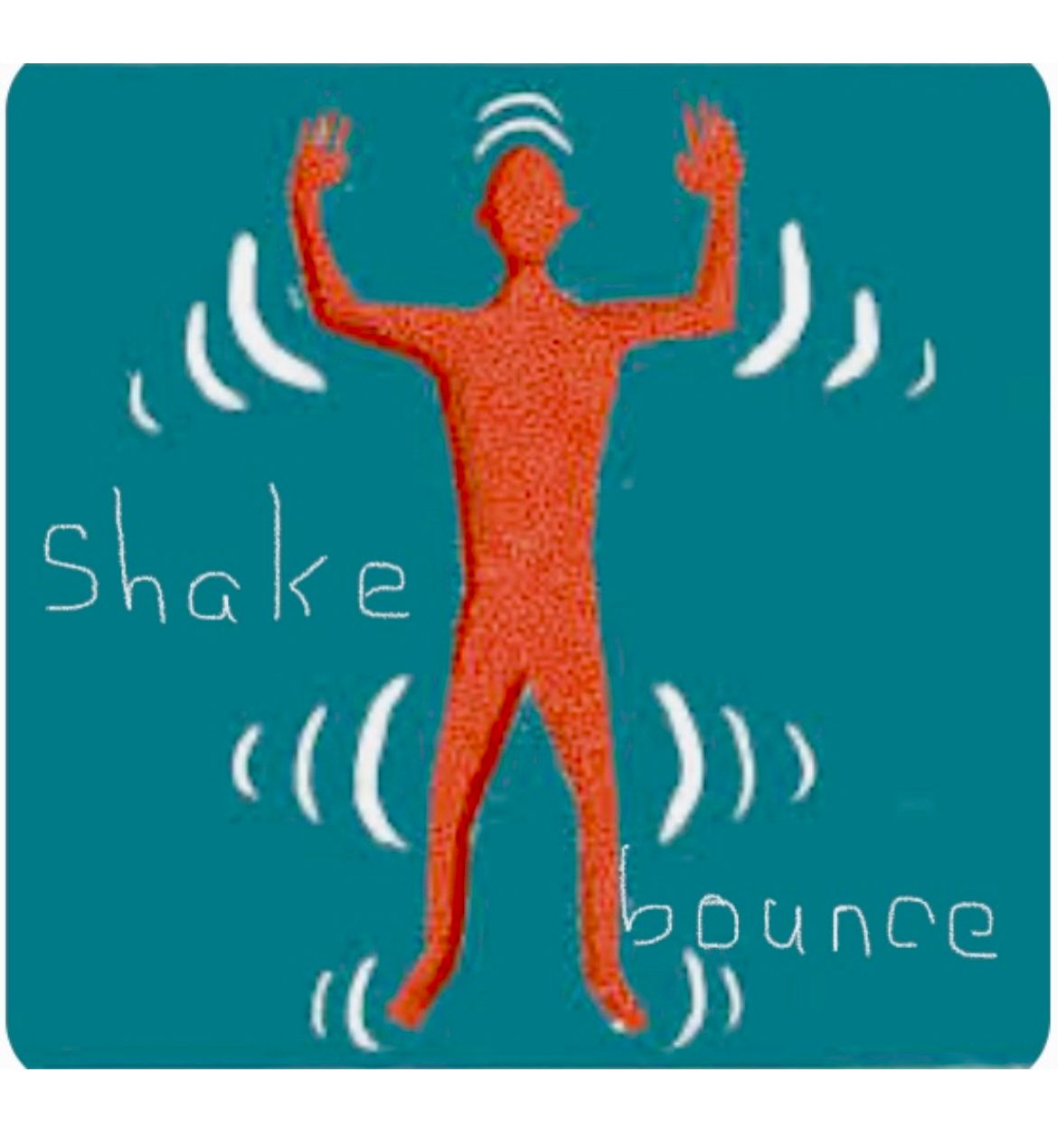
Bouncing, shaking, breathwork and embracing vibration and sound are proven methods to reset your Autonomic Nervous System, regain balance, and promote healing.
By incorporating these practices (one or all) into your daily routine or as needed, you can take significant steps towards wholeness and well-being.
Remember, there is nothing in your that needs to be "fixed". You are not broken. There is only energy that has become frenzied, congested or stagnant causing physical symptoms in your nervous system, tissues, vessels and organs.
You have the power to rebalance your energy and nervous system for a more resilient you!
You are in the drivers seat.
Lisa Gingery Smith | OCT 23, 2023
Share this blog post
