
007. How Life Shapes Your Body: Break Free From Patterns, Redefine Your Alignment, and Unlock Greater Ease
Lisa Gingery Smith | SEP 17, 2024
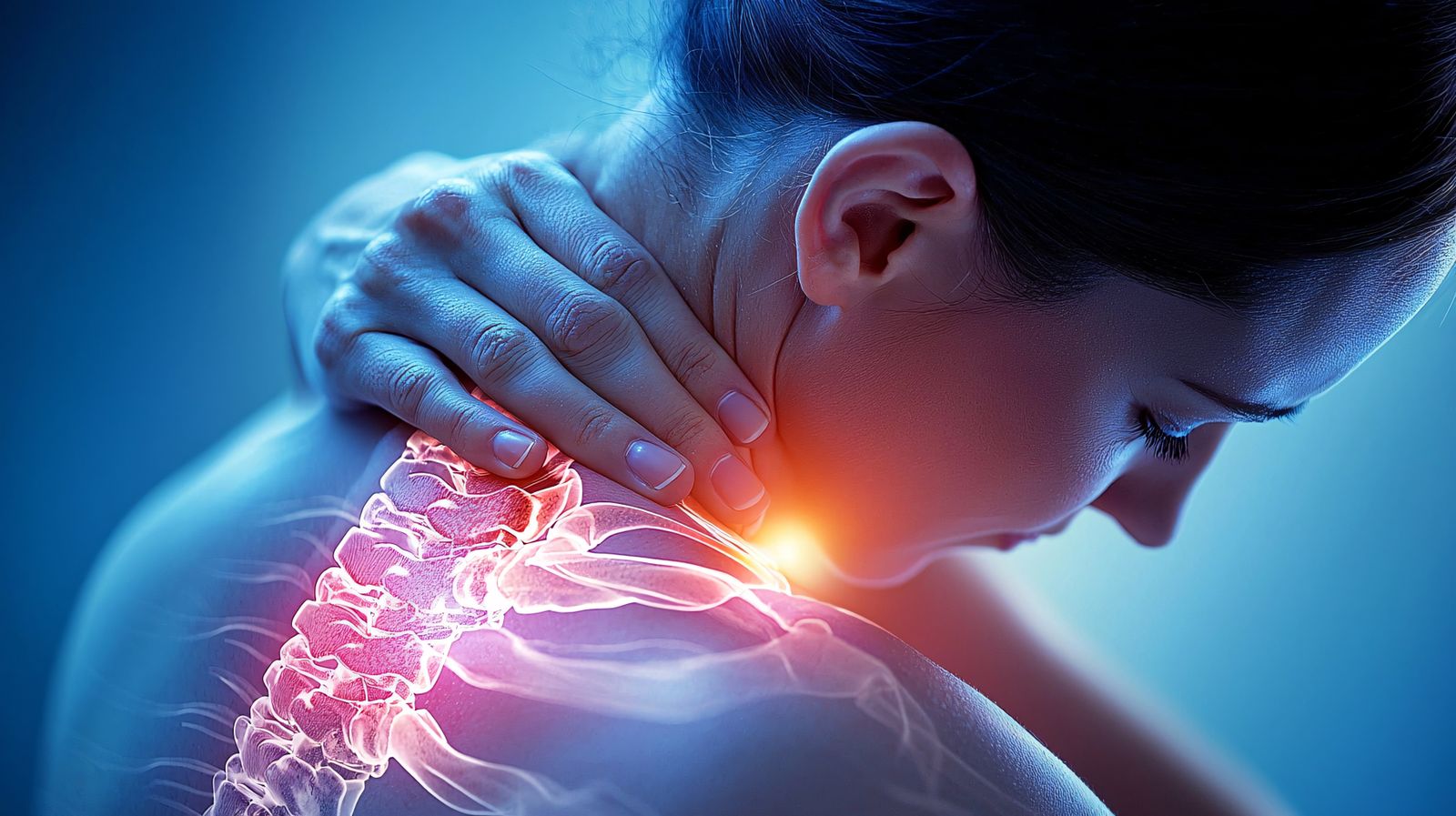
What shape has your life molded you into? And more importantly, how can you realign your body for ease and freedom?
Your body holds the story of your life—every experience, habit, and challenge.
It adapts to protect and conserve energy, but over time, this can deeply affect your posture and alignment.
These shifts, though often subtle, have a direct impact on how you feel and function every day.
Realigning your body can open the door to greater ease, relief, and vitality.
Over time, patterns become ingrained in both our posture and movement. We develop habits in the way we align and move, often unconsciously. Our bodies also learn to anticipate what's coming—whether real or imagined—forming a response system. For instance, we might anticipate pain with certain movements, bracing ourselves in advance.
Our body absorbs all of this and shapes itself accordingly.
So, when we are 'stuck' in a difficult experience, hold postures for extended periods (like sitting, driving, or working at a computer), or move without awareness, we begin to take on a shape:
- A protective shape
- A shape molded by time and habit
- A reactive shape
Our body’s postural shape is deeply connected to our life experiences. Every repeated movement pattern, emotional response, and environmental influence leaves its mark on how we carry ourselves.
These influences can lead to imbalances in muscle tension, alignment, and even the way our nervous system regulates our body.
Essentially, our posture becomes a reflection of our personal physical and psychological history—whether we’re aware of it or not. Studies show that stress and emotional states can trigger protective responses, like the contraction of muscles in the neck, shoulders, and chest, and diaphragm which over time becomes ingrained in our posture.
How we hold ourselves is not just a matter of biomechanics, but an expression of how our body has adapted to cope with the demands, traumas, and experiences we face every day and throughout life.
Often, our patterns of movement or held positions are in a single plane of movement. Our tissues, fascia, and joint complexes get bound down and restricted, which further perpetuates the misaligned, compensatory shapes our body adopts.
Remember, we are brilliantly created as multidimensional beings, designed for so much more than linear movement.
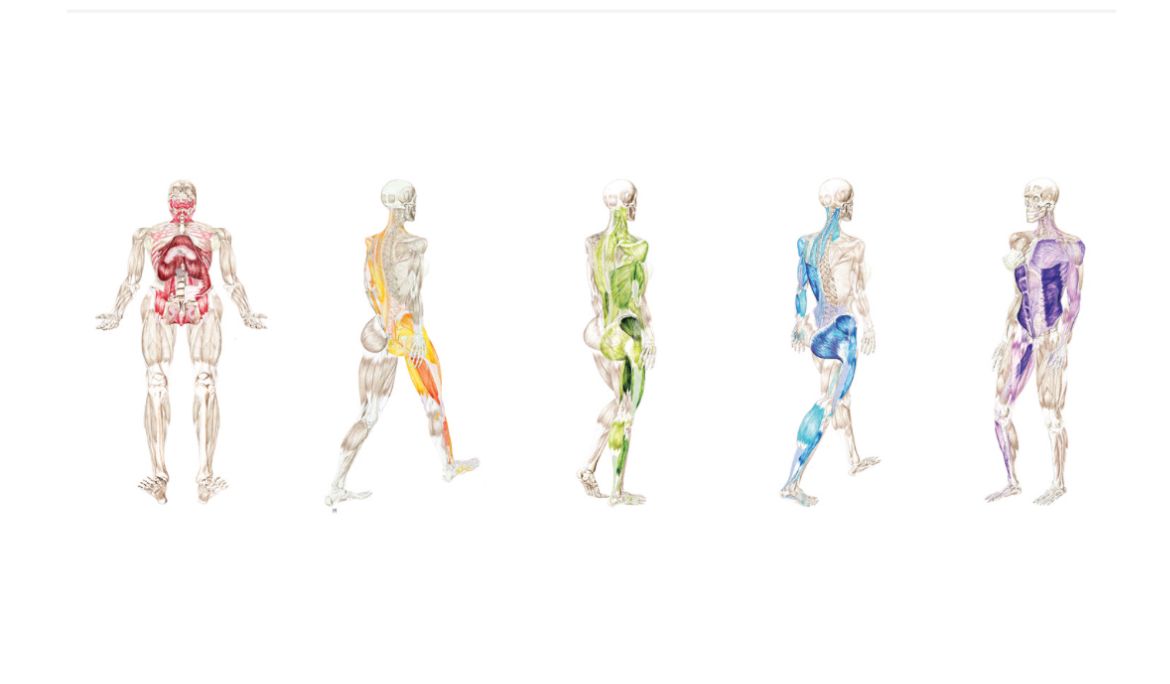
Many of us tend to settle into movement patterns or held positions that exist largely in one plane of motion. Think about how often you sit, stand, or move in straight lines—forward, backward, or side to side.
What happens as a result? Our tissues, fascia, and joint complexes become bound down and restricted. This limits our natural range of motion and reinforces the compensatory patterns our body has adopted.
Remember, we are brilliantly created as multidimensional beings, designed for so much more than linear movement.
When we lose those critical rotational, spiral and diagonal patterns, it limits how the tissues and structures were designed to move optimally. Rather than being organized in straight lines, these tissues form spiraling patterns that enhance our ability to move in multiple directions and maintain stability.
Benefits of rotational, diagonal and spiral movements are:
- Greater core stability
- Greater potential for strength
- Coordination and balance
- Even more efficient function of our organs and gut.
- Also when these motions are free and fluid, our nervous system is actually more easily regulated.
If you're feeling stuck in certain postures or experiencing discomfort, you're not alone.
What can you do???
Rediscovering the foundations of true, unique-to-you postural freedom means building a more balanced body through intentional practices:
- Build an active awareness
- Positional release poses for Postural Relief
- Lengthen shortened muscles while quieting overactive muscles
- Gentle self-massage, foam rolling, and mindful movement can help release areas where tension accumulates and stagnation occurs
- Activate and strengthen inhibited (weak) muscles
- Strengthening the “force couples”, muscle groups that are designed to work together for balanced, aligned movements like walking
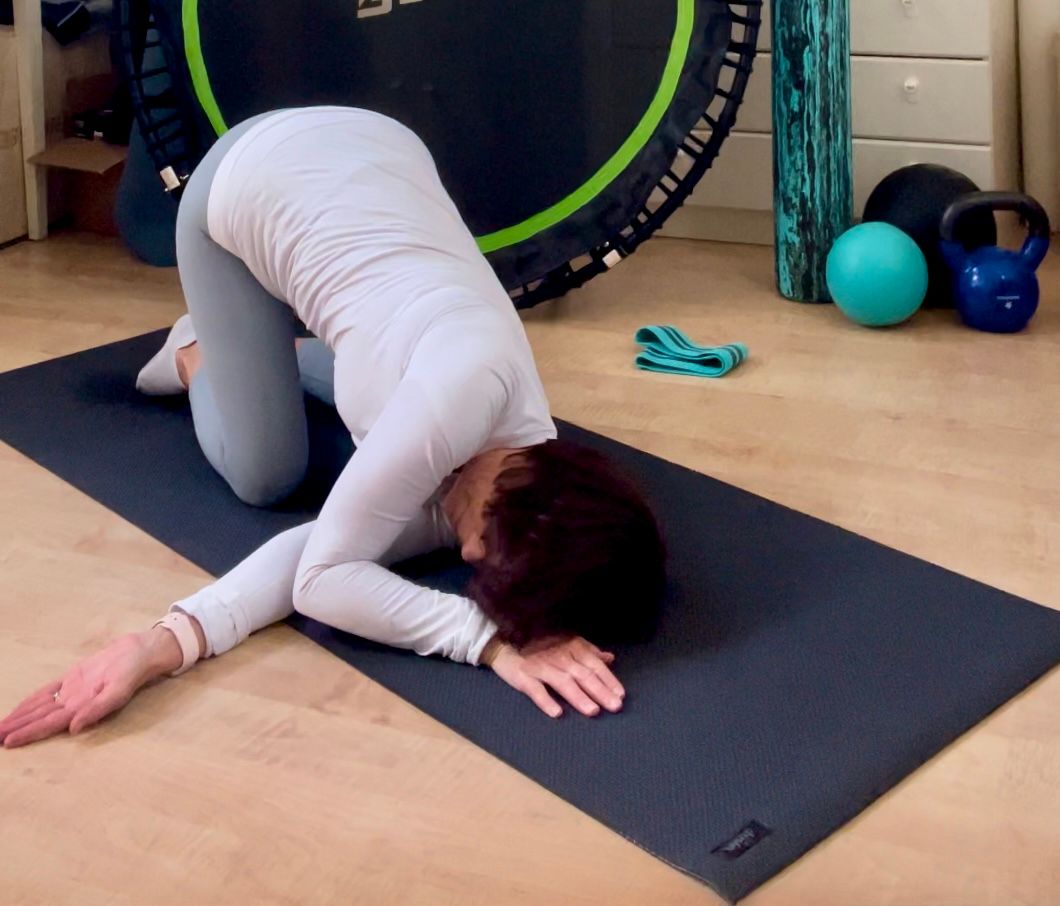
The above is a framework, a general guide. It is a matter of finding a plan which incorporates these practices that is effective and fits into your life.
Honestly, with small, consistent actions that you can commit to incorporating into your daily life, alongside cultivating a deeper awareness and ongoing dialogue with your body, the path to greater ease, relief, and function is closer than you might think.
Your body and its alignment are ever-evolving, reactive, and responsive. It’s not about forcing change but rather inviting your body into a more balanced, open, and supportive state. This will become an ongoing practice—one that is both joyful and relieving—as you discover the brilliance and balance within the body you already have.
It's time to realign and rediscover your natural fluidity. You might be amazed at the possibilities!
xo Lisa
🧬Curious to learn more? If you’re interested in exploring more about Alignment, other tips, topics, and the exciting new programs coming very soon, head over to this page and hit Subscribe to stay updated!
Lisa Gingery Smith | SEP 17, 2024
Share this blog post
