
009. Fear: More Than a Troubling Thought—Understanding and Releasing Its Physical Impact
Lisa Gingery Smith | NOV 10, 2024

What is your body’s response to FEAR?
Fear is deeply physical, even if it starts as a mere thought.
When we face fear—whether it’s a genuine threat or simply a stressful situation—the body responds in powerful ways. Hormones like adrenaline and cortisol surge, triggering a chain reaction: heart rate and blood pressure spike, breathing becomes shallow, and digestion stalls.
Over time, these responses—if left unaddressed—can disrupt balance across the body’s systems.
Fear Creates a Physical Memory in the Body
Fear leaves an imprint, an energy in our tissues, and without intentional release, this energy can persist, lingering in fascia, muscles, and nerves.
It is now known that fascia has six to ten times the number of nerve endings or innervation than muscle tissue.
🔄It is our largest sensory and feedback organ and is involved in both proprioception and nociception, or how the body interprets and processes threatening or harmful stimuli, like emotions of fear.
In other words, our tissues can read and absorb our emotions.
In fact, all emotions carry an energetic charge. When we avoid processing or expressing them, they settle into our physical form, often building tension and influencing how we move and feel.
Interestingly, your brain doesn’t distinguish between real physical threats, like a wolf at your door, and imagined threats, like the possibility of failure or change. This means that chronic fear—especially when triggered by stressors we replay in our minds—can lead to the same physiological stress responses, wearing on the body and mind over time.
Emotions: Signals and Energy to Process
Emotions are signals—valuable information meant to guide us.
But they are also energy in motion, and unprocessed emotions can become stuck energy, which the body carries as tension or discomfort.
Learning to recognize and process emotions becomes essential to releasing this energy and restoring well-being.
How Can We Release Fear and Restore Balance?
1. Awareness: The First Step
Becoming aware of fear’s presence in your body is foundational. Notice where you hold tension and recognize the patterns that emerge when fear takes hold. Awareness is the first step in beginning to release this energy.
2. Four Simple Self-Care Techniques
- Bounce: Lightly bouncing can help reset the nervous system.
- Shake: Shaking out the limbs and body releases tension.
- Breathe: Slow, deep breaths counteract shallow breathing. A breath hold at the top of your breath cycle and an extended exhale send the direct message to your nervous system to switch to rest, digest, and restore.
- Hum or Listen: Every cell in our body responds to vibration and frequency. We are vibrational beings! Humming and listening to calming sounds or vibration (sound baths, binaural beats) activate the vagus nerve, which promotes relaxation and resiliency.
3. Move to Release Emotions
Movement is a powerful way to help emotions flow and release. Physical movement—whether through dynamic stretching, walking, rolling it out, or a rhythmic activity—helps the body discharge pent-up energy and restore flow.
4. Nature’s Healing Power
Nature is a profound stabilizer for our system. Time outdoors allows the body to absorb natural light, sounds, and the negative ionic charge from the earth, which aids cellular and mental equilibrium. Even a few intentional minutes outside each day can recalibrate our system and gradually shift our overall state.
5. Deep Rest to Heal and Restore
Moments of deep rest allow the body to repair and rebalance itself. Regular rest helps the body clear out toxins and emotional buildup and chronic tension, restoring homeostasis even amid life's upheavals.
Why Releasing Fear Matters for Physical Health
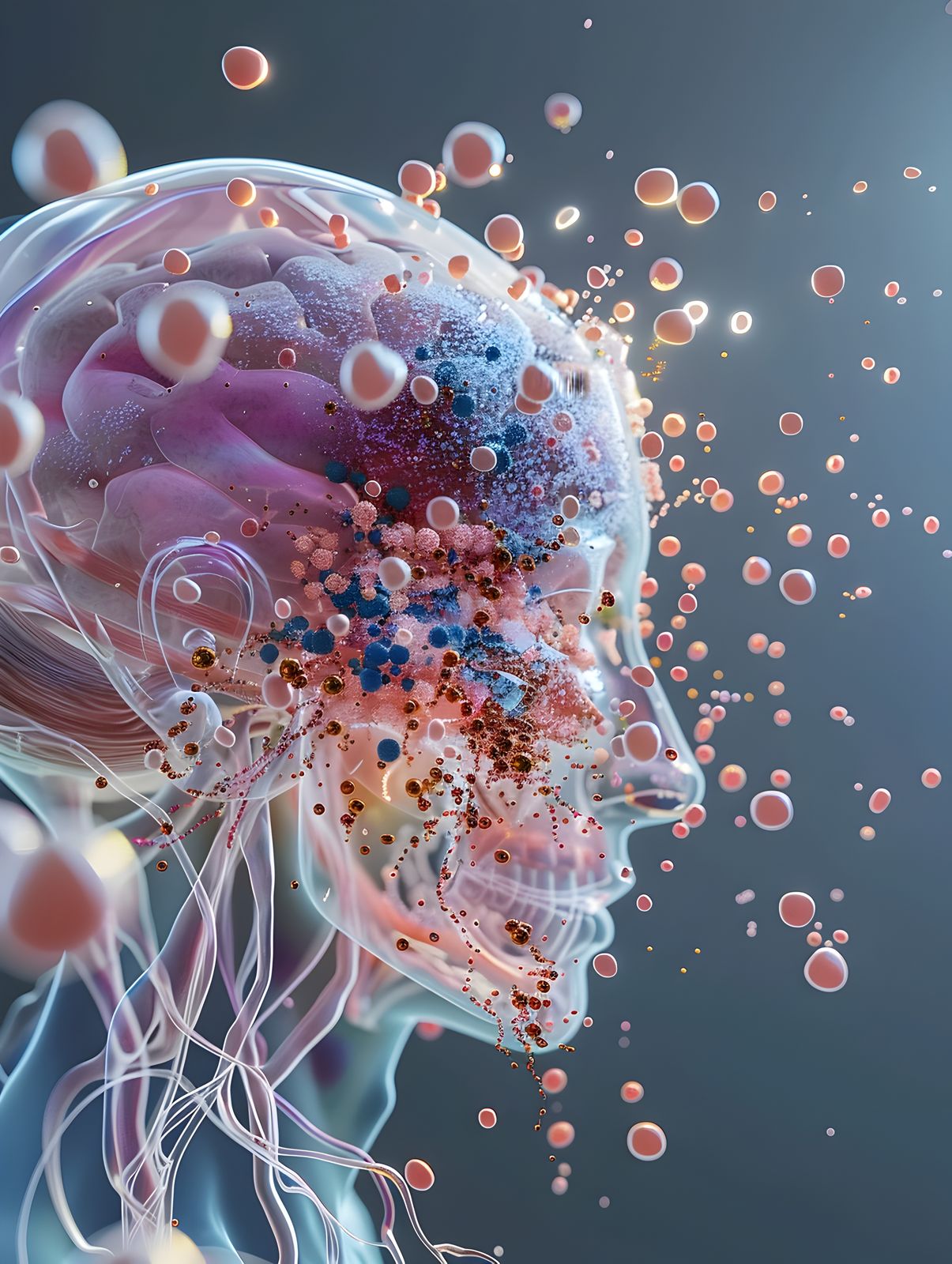
Unchecked fear not only disrupts mental well-being, but can also contribute to chronic pain and tension in the body.
Physical symptoms like headaches, muscle pain, areas in the body becoming "frozen" and immobile, respiratory issues, and gut imbalances often trace back to prolonged, unprocessed stress and fear. Left to fester, they can trigger chronic disease, disorders and an autoimmune response.
Many of us are currently experiencing the emotions of fear, grief, and worry over an uncertain future.
You reclaim your power and sovereignty when you cultivate awareness, recognize how emotions trigger immediate physical responses, and actively use techniques to release the energy they carry—preventing them from taking root and growing within you.
What can you do today to soften fear’s impact within your body?
While you may not be able to stop the wave once it’s in motion, you can practice ways to let it pass without it wiping you out. And going forward, these practices can help you keep the waves from building into overpowering forces in the first place.
Addressing these root causes and applying these simple practices can restore not only a sense of calm and ease, but also foster physical resiliency and well-being.
I have linked an earlier Blog which describes these practices in greater detail HERE
In these challenging times, the way forward can feel uncertain.
If you need support along the way, Stay connected for empowering insights, practical tips, and proven techniques to help you keep moving forward on your journey to optimal
well-being.
Xo Lisa
Lisa Gingery Smith | NOV 10, 2024
Share this blog post
