
010. Are You Gripping Your Glutes Without Knowing? The Surprising Shift for Posture, Ease, and Lasting Relief
Lisa Gingery Smith | JAN 8, 2025

Stop Glute Gripping: Ease Tension, Improve Posture, and Feel Better
I was recently reminded of this during the holidays. This season can bring a lot of standing and sitting—whether you’re cooking, wrapping gifts, standing in long lines, or traveling for hours. With all that time on your feet or seated, you might be clenching your glutes without even realizing it.
Glute gripping—the chronic clenching of your butt muscles—often happens when the body is trying to create stability, but in an unbalanced way. Unfortunately, it can create tension patterns, compensations and adaptations that lead to discomfort, poor posture, and even pain over time.
Let’s break down why this happens, how to know if you’re doing it, and what you can do to restore balance.
What Is Glute Gripping?
Glute gripping refers to a constant, subconscious contraction of the glute muscles. It can feel like you're clenching your buns even when you're simply standing or sitting.
This often happens when the body senses instability in the core, hip complex, or pelvis. The glutes tighten in an attempt to create support, but it’s not the kind of stability your body needs for healthy posture and movement.
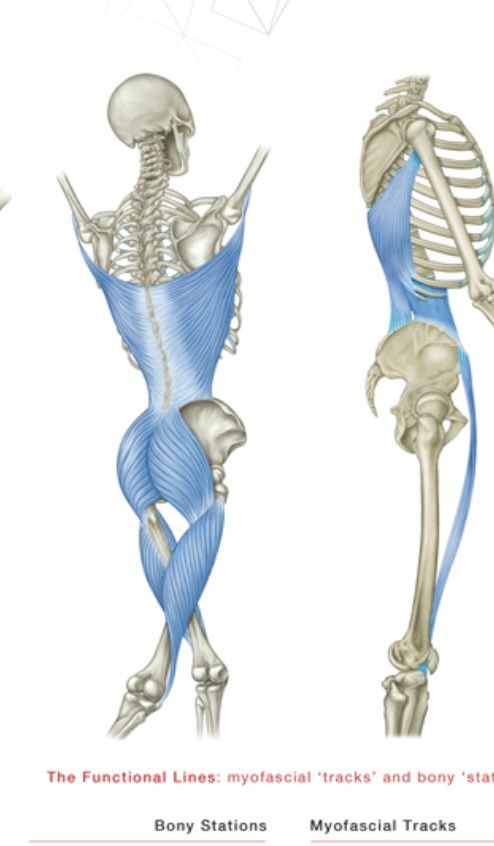
Glute gripping doesn't just affect your backside—it disrupts the entire chain of posture and core stability. It also involves all of the fascia throughout the area, the deep pelvic floor, coincides with jaw clenching, and affects you from head to toe.
Some common reasons people develop this habit:
- Compensation for Weakness: If deeper core and pelvic stabilizers are underactive, the glutes may take over. Incidentally, when a muscles are chronically contracted (glutes or deep pelvic muscles) they are rendered weak.
- Prolonged Sitting: Sitting for long periods can lead to tight, underactive glutes that grip when standing.
- Stress and Holding Patterns: Emotional tension often translates into physical tension. Remember our mental health IS our physical health.
- Postural Imbalances: Standing with a tucked pelvis or locked knees encourages gripping. It is a cycle that perpetuates itself.
- Cultural Conditioning: The pressure for a 'tight' or 'flat stomach' often leads to body tension patterns, including glute gripping.
💡Is this ringing true for you???
You Might Be a Glute Gripper If:
- Chronic low back, hip, or pelvic tension
- A sense of tightness or pinching in the glutes
- A flattened or hollow appearance in the buttocks
- Tension that worsens after standing for long periods
- Trouble engaging the pelvic floor or deeper core
- Uneven weight distribution when standing
A quick self-check: Stand tall and notice if your glutes feel tense even when you're not actively moving. If so, you might be unconsciously gripping.
Why It Matters: The Impact of Gripping
💥Glute gripping affects far more than just the appearance of your backside. Chronic tension can create a ripple effect throughout the body:
- Pain: Low back pain, hip discomfort, and even knee strain can stem from glute gripping patterns.
- Disrupts Core Function: Gripping masks true core instability rather than correcting it. When the glutes are gripping, the main core stabilizer (Transverse Abdominis) is turned off.
- Pelvic Floor Dysfunction: Excessive tension can lead to both weakness and hypertonicity (tightness) in the pelvic floor.
- Reduces Blood and Lymph Flow: Constant muscle tension restricts circulation, limiting nutrient flow and tissue health and flushing of toxins. Congestion here also blocks communication pathways from our main networking system, the Fascia.
- Compensatory Patterns: Overactive glutes can inhibit proper core, pelvic floor, and hip engagement. When one muscle hasn't gotten the memo on its task, something has to adapt to keep you upright.
[You see how the Fascia is connected to absolutely everything (and so much not shown here). It connects directly to muscles (glutes), vessels, every structure, every organ. If a muscle is constricted/chronically shortened, the fascia (our messaging highway) will also be constricted/congested and blocked.] ⤵️
What Can You Do About It? (Your Path to Release)
✨The good news? You can absolutely begin shifting this habit with awareness and intentional steps.
Here’s how:
1. REALIZE – Build Awareness
Notice when you grip! Awareness is the first key to change. Pay attention during moments like:
- Standing in line
- Cooking or cleaning
- Sitting for long periods
Start by tuning into how your glutes feel. Are they tensed when they don’t need to be? No judgment—just observe.
2. RELEASE – Let Go of Tension
True release involves more than just stretching—it’s about resetting your body’s holding patterns. Try:
- Softening Breathwork: Breathe deeply, imagining tension melting from the glutes with each exhale.
- Pelvic Floor 'Drops': Sit and consciously allow the pelvic floor and glutes to relax. In standing, open up pelvis to gently flair your SITS bones.
- Pelvic Floor Release: With the Body Shpere or a squishy ball (22 cm) not fully inflated, sit and work with small motions (side-side, front-back, circles), releasing and focused on your breath.
- Gentle Hip Openers: Poses like child’s pose or supported bridges can encourage release.
- Glute Release: Seated in Figure-4 position with small ball or roller
3. REALIGN – Find a Supportive Posture
Shifting out of gripping patterns means finding an alignment that is closer to your optimal. Here's how:
- Unlock Your Knees: Avoid locking out the legs, which can trigger gripping.
- Manubrium Lift: Gently lift the center of your chest without arching your back. The Manubrium Lift gently elevates the center of your chest, which helps stack your ribcage and pelvis for balanced posture.
- Check Your Weight: Distribute weight evenly across both feet instead of shifting to one side.
4. REBUILD – Strengthen with Purpose
Gripping often masks underlying weakness. It's important to build strength in a balanced way, focusing on:
- Deep Core Activation: Strengthen the transverse abdominis (the body's natural corset) for better support.
- Glute Activation (Without Gripping): Try controlled movements like bridges or clamshells with proper form.
- Balanced Loading: Strengthen the entire chain—glutes, hamstrings, core, and hips—together.
The Key Takeaway:
🔎Glute gripping is a sign—not a solution. It often signals a need for better balance, alignment, and foundational strength. By becoming aware of this pattern and taking small, intentional steps to release and realign, you can ease tension, improve posture, and unlock greater freedom in your movement
🌿 Ready to break free from tension and rediscover ease in your body?
Stay connected to receive special notes from me. Don't miss out on the latest tips, topics, news on programs, and exciting offers! Exclusive content that only goes to my subscribers! Here
Follow along on Instagram here for the latest top tips, challenges, quick guides, fave tools, and relevant wellness breakthroughs.
Xo Lisa
Lisa Gingery Smith | JAN 8, 2025
Share this blog post
